
Restaurant Fire Risk Assessment London
Protect your licensing, insurance, and customers. Expert commercial kitchen fire risk assessments with guaranteed 24-hour turnaround. BAFE SP205 accredited, starting from £195.

Trusted & Accredited


Why Every Restaurant Owner Needs This
Restaurants account for 42% of all food and drink sector fires. Without a compliant fire risk assessment, you risk losing your premises license, voiding your insurance, and endangering lives.
Commercial kitchens are high-risk fire environments. The Regulatory Reform (Fire Safety) Order 2005 makes fire risk assessments mandatory for all commercial premises, including restaurants, cafes, pubs, and takeaways. Additionally, the Licensing Act 2003 places fire safety at the center of the public safety licensing objective—meaning your premises license application or renewal requires documented fire safety compliance. With 1,510 fires in UK food premises annually and cooking equipment causing 60% of incidents, proper assessment isn’t optional—it’s essential protection for your business, staff, and customers.
Our Restaurant-Specific 5-Step Process
We understand commercial kitchens. Our assessments address the unique fire hazards restaurants face—not generic office building checklists.
Kitchen Inspection
Comprehensive evaluation of cooking equipment, extraction systems, gas safety, and grease accumulation
Hazard Analysis
Identification of restaurant-specific risks including oil fires, ductwork hazards, and alcohol storage
Customer Safety
Assessment of dining area evacuation routes, occupancy levels, and peak service considerations
System Testing
Verification of fire suppression systems, heat detectors, extraction interlocks, and emergency lighting
Licensing Report
Insurance and licensing-approved documentation delivered within 24 hours
6 Restaurant Fire Hazards We Assess
These are the exact hazards that cause 1,510 food premises fires annually in the UK. We check every single one.

Commercial Kitchen Cooking Equipment Fires
60% of restaurant firesDeep fryers, grills, ovens, and charbroilers operating at extreme temperatures create the highest fire risk in commercial kitchens. Cooking equipment accounts for more than 60% of fires in eating and drinking establishments, with oil fires particularly dangerous due to high ignition temperatures and rapid spread. Unattended cooking, thermostat failures, and grease spills escalate risk significantly during busy service periods.

Grease Accumulation in Extraction Systems
Most dangerous kitchen hazardExtraction ductwork and canopy hoods accumulate flammable grease deposits during normal cooking operations. Without TR19-compliant professional cleaning every 3-6 months, these deposits become thick, combustible fuel sources. Once ignited by cooking heat or sparks, grease fires spread rapidly through concealed ductwork to roof spaces, proving extremely difficult to extinguish and causing catastrophic damage.

Gas Supply Systems and Cylinder Storage
Annual CP42 certification requiredCommercial kitchens using gas cooking equipment face risks from LPG cylinder storage, gas pipework integrity, and supply system failures. Gas leaks can cause explosive fires with devastating consequences. Gas Safe regulations require annual CP42 certification, gas interlock systems that shut off supply when ventilation fails, and properly designed cylinder storage areas with adequate separation from ignition sources and emergency isolation access.
Customer Areas and Exit Congestion
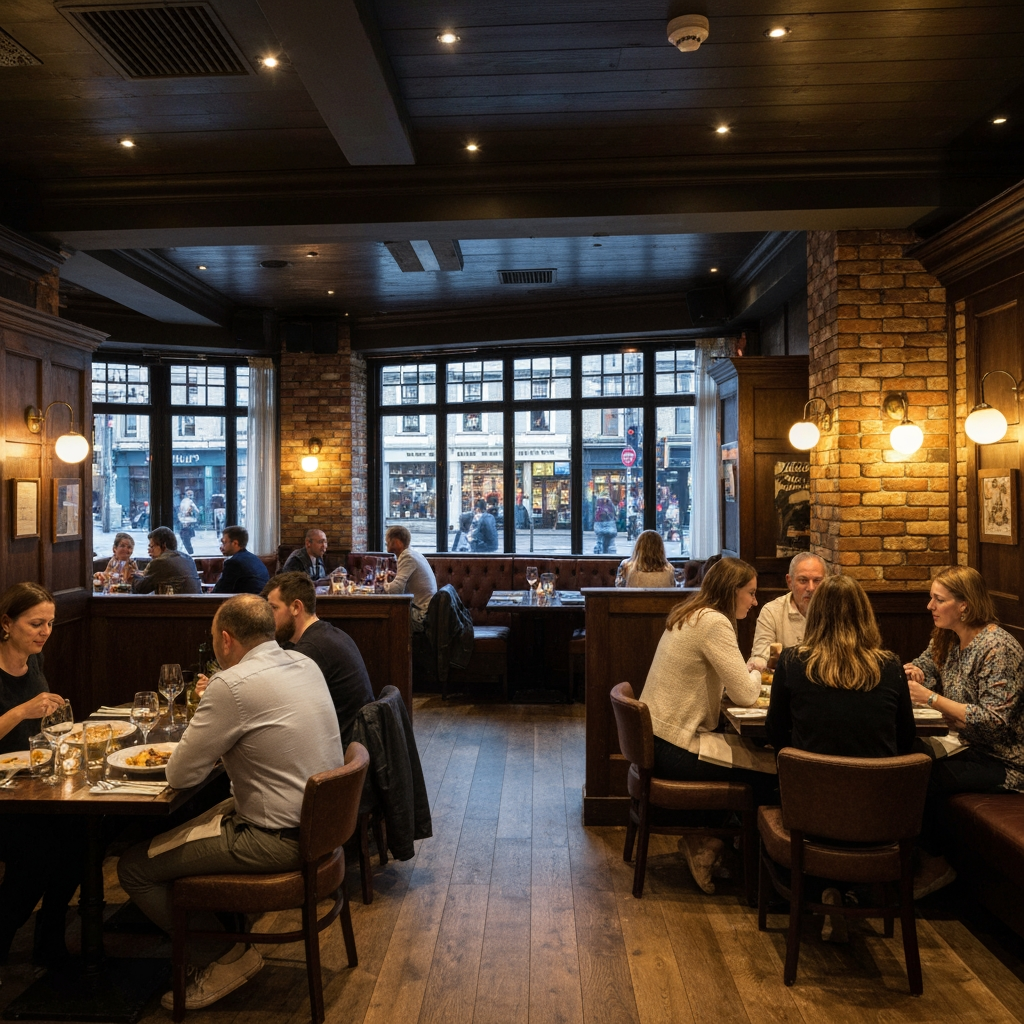
42% of fires during evening serviceRestaurant dining areas present unique evacuation challenges compared to offices—unfamiliar members of the public, peak occupancy during service hours, tables and furniture creating obstacles, intoxicated guests with impaired judgment, and outdoor seating potentially blocking building exits. With 42% of restaurant fires occurring between 6 PM and midnight during peak service, effective evacuation becomes critically important.
Food Delivery and Storage Room Clutter
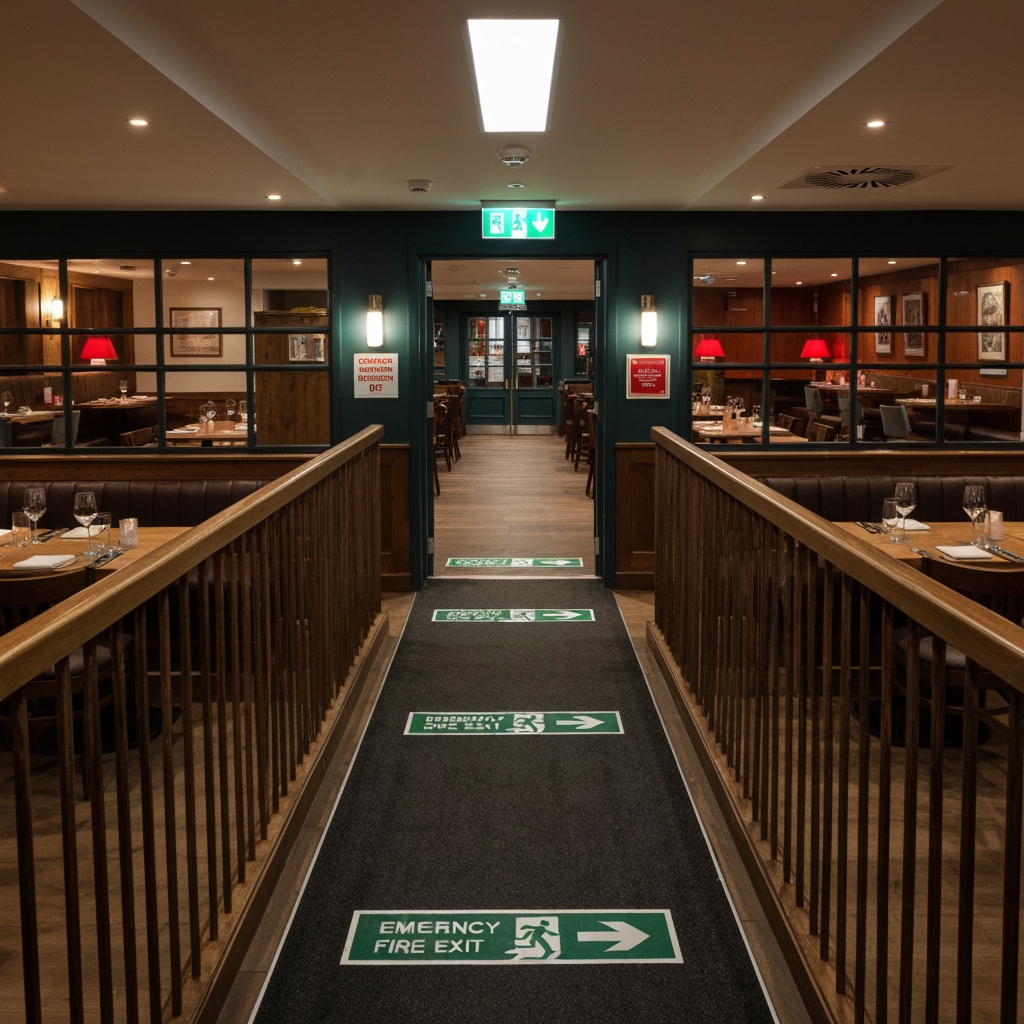
Common compliance violationRestaurant storage areas frequently become cluttered with cardboard packaging, food deliveries, and equipment obstructing escape routes and fire exits. Delivery access periods create windows when exits may be propped open or blocked by stock pallets. Waste storage areas with accumulated cardboard and grease-soaked packaging present additional ignition risks, particularly when positioned near cooking equipment or external doors.
Alcohol Storage as Flammable Liquid
DSEAR regulations applyLicensed premises storing spirits with high alcohol content must comply with DSEAR regulations governing flammable liquid storage. Quantities exceeding 50 litres of highly flammable liquids require fire-resisting storage cabinets with spill containment capacity. Cellar areas and bar storage rooms must not compromise escape routes or emergency exits. Licensing authorities specifically scrutinize alcohol storage arrangements during premises license applications and reviews.
What Your Report Includes
Everything licensing authorities and insurance companies require—delivered in 24 hours.
Commercial Kitchen Fire Hazards
Comprehensive evaluation of cooking equipment, oil fire risks, grease accumulation, extraction systems, and kitchen-specific ignition sources.
Customer and Staff Safety Assessment
Evaluation of maximum safe occupancy, dining area evacuation routes, peak service considerations, and vulnerable person risks.
Fire Detection System Review
Assessment of heat detectors in kitchen areas, smoke detection in dining spaces, alarm audibility, and manual call point positioning.
Fire Suppression System Inspection
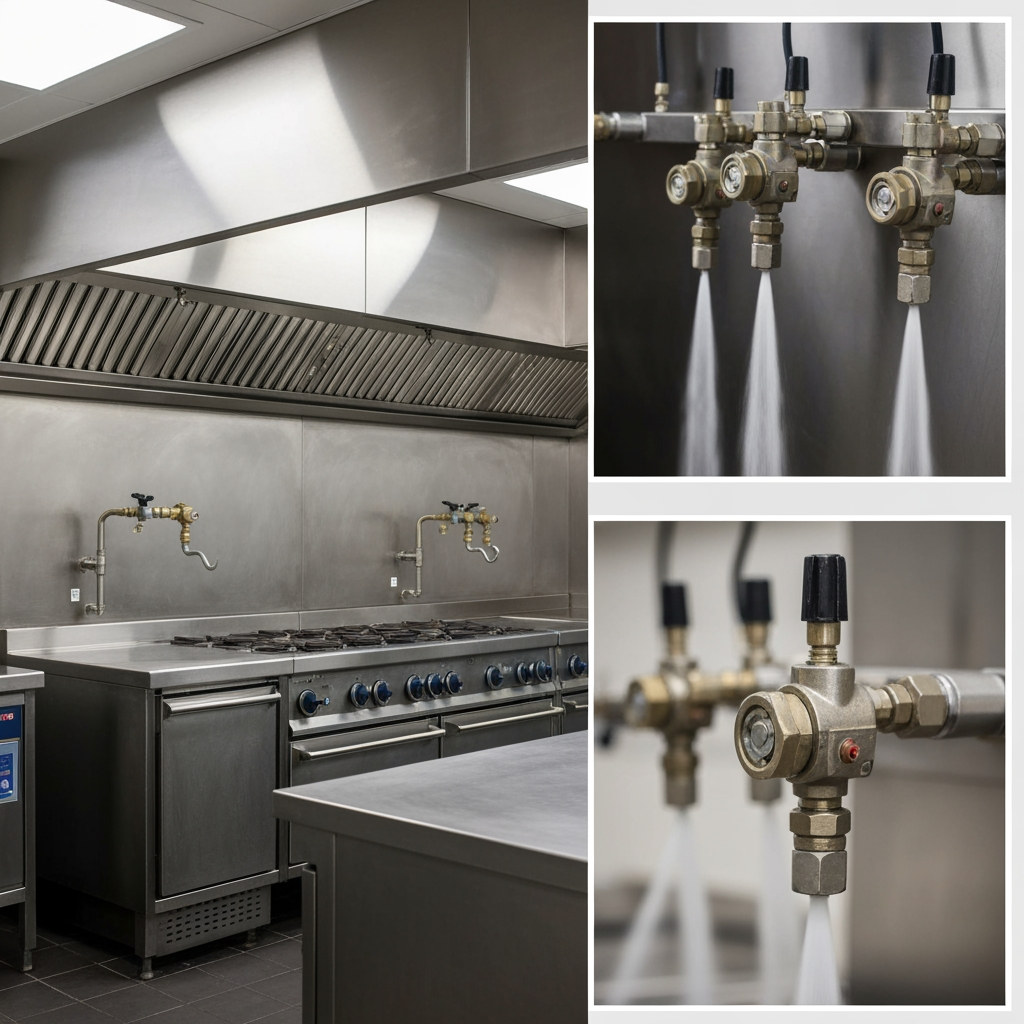
Verification of UL 300-compliant wet chemical systems, nozzle coverage over cooking equipment, automatic fuel shutoffs, and service documentation.
Gas Safety Compliance Review
Verification of CP42 gas safety certification, LPG cylinder storage assessment, gas interlock functionality, and emergency isolation evaluation.
Extraction System and TR19 Review
Assessment of extraction system cleanliness, grease accumulation levels, TR19 cleaning documentation verification, and recommended cleaning frequencies.
Staff Training Recommendations
Assessment of current fire safety training provisions, recommendations for kitchen-specific training on grease fires and suppression systems, and drill requirements.
Licensing-Compliant Documentation
Professional report suitable for Licensing Act 2003 premises license applications, renewals, and reviews. Accepted by all local licensing authorities.
Insurance-Approved Report
Documentation meeting insurance company requirements for commercial kitchen coverage, including suppression system verification and extraction maintenance records.
Why Restaurants Trust Firerisk.io
We specialize in commercial kitchens. Not generic office assessments—restaurant-specific expertise.
We Understand Commercial Kitchens
Our assessors have extensive commercial catering experience. We know the difference between fryer oil fires and electrical hazards. We understand TR19 extraction cleaning requirements. We’ve assessed hundreds of restaurants—not just read a textbook.
24-Hour Report Guarantee
Licensing application deadline tomorrow? Enforcement notice just arrived? We deliver complete, licensing-compliant reports within 24 hours. Book today, receive your report tomorrow. No excuses, no delays.
Licensing Authorities Accept Our Reports
BAFE SP205 accreditation means local councils, fire officers, and licensing committees accept our assessments without question. We’ve supported hundreds of successful premises license applications across London and the UK.
Transparent Fixed Pricing
Starting from £195—not £1,950+ like competitors. Use our instant calculator to see your exact price based on kitchen size and complexity. What you see is what you pay. No hidden fees. No surprises.
Restaurant Fire Safety Questions Answered
Everything restaurant owners ask us before booking
Don’t Risk Your Premises License
Without a compliant fire risk assessment, you cannot obtain or renew your alcohol license. Enforcement notices can close your restaurant immediately. Get protected in 24 hours.
Protect Your Restaurant. Protect Your License.
Join hundreds of restaurant owners who trust firerisk.io for licensing-compliant fire risk assessments. Book now.
Book Your Assessment Now